
Boost Your Shots with Advanced Camera Movement
In the world of film, TV, and commercial production, the way a camera moves can transform a scene from ordinary to extraordinary. Advanced camera movement solutions are no longer just a luxury; they are essential tools for creating dynamic, engaging visuals that captivate audiences. Whether you are shooting a high-energy commercial or a dramatic film sequence, mastering camera movement can elevate your storytelling and production value.
Why Advanced Camera Movement Solutions Matter
Camera movement is a powerful storytelling device. It guides the viewer’s eye, sets the tone, and enhances the emotional impact of a scene. Static shots can feel flat and uninspired, but when you introduce smooth, purposeful movement, you add depth and energy.
Advanced camera movement solutions include tools and techniques such as gimbals, dollies, cranes, Steadicams, and drones. These technologies allow for fluid motion, precise control, and creative freedom. For example, a dolly shot can smoothly track a character walking through a scene, while a drone can provide breathtaking aerial perspectives that were once impossible or prohibitively expensive.
Using these solutions effectively requires understanding the story you want to tell and choosing the right movement to support it. A slow push-in can create intimacy, while a fast whip pan can convey urgency or chaos. The key is to match the camera movement to the narrative and emotional beats of your project.

Exploring Advanced Camera Movement Solutions
When it comes to advanced camera movement, the options are vast and continually evolving. Here are some of the most impactful solutions and how they can be used:
Gimbals and Stabilizers
These handheld devices stabilize the camera, allowing for smooth, shake-free footage even when the operator is moving quickly or over uneven terrain. Gimbals are perfect for action scenes, run-and-gun shooting, or any situation where mobility is key.
Dollies and Tracks
Dollies provide smooth horizontal movement along tracks. They are ideal for controlled, cinematic shots that require precision. Dollies can be motorized for complex moves or manually operated for more organic motion.
Cranes and Jibs
Cranes allow for sweeping vertical and horizontal movements, adding grandeur and scale to your shots. They are often used for establishing shots or dramatic reveals.
Steadicams
A Steadicam combines the stability of a gimbal with the flexibility of a handheld rig. It allows operators to move freely while maintaining smooth footage, making it a favorite for long takes and complex choreography.
Drones
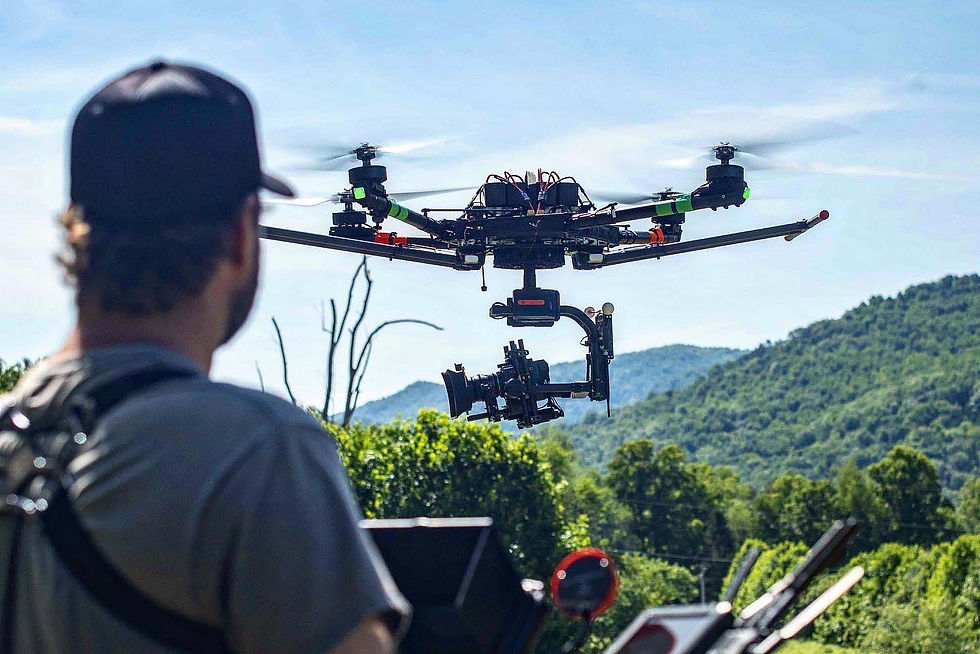
Drones have revolutionized aerial cinematography, offering new perspectives and dynamic movement at a fraction of the cost of traditional helicopter shots.
Each of these tools requires skill and practice to master, but the payoff is significant. They enable filmmakers to push creative boundaries and deliver visually stunning content.
What Qualifications Do I Need to Be a Camera Operator?
Becoming a skilled camera operator involves a mix of technical knowledge, practical experience, and creative intuition. Here’s what you need to focus on:
Technical Skills: Understanding camera mechanics, lenses, exposure, and focus is fundamental. You should be comfortable operating various camera systems and accessories.
Movement Techniques: Mastering different camera movement tools like gimbals, dollies, and cranes is essential. This includes knowing how to set up equipment and execute smooth, controlled shots.
Storytelling Ability: A good camera operator understands the narrative and emotional context of each shot. This helps in choosing the right movement and framing to enhance the story.
Physical Fitness: Camera operation can be physically demanding, especially when using handheld rigs or working on challenging locations.
Collaboration: Working closely with directors, cinematographers, and other crew members is crucial. Communication skills and adaptability are key.
Training and Certification: Many operators start with film school or specialized courses. Hands-on experience through internships or assistant roles is invaluable.
For those looking to specialize in advanced camera movement, additional training on specific equipment and software is recommended. Continuous learning and staying updated with new technologies will keep you competitive in the industry.

Integrating Advanced Movement into Your Production Workflow
Incorporating advanced camera movement solutions into your production requires careful planning and coordination. Here are some practical tips:
Pre-Production Planning: Discuss camera movement during storyboarding and shot listing. Identify scenes that will benefit from dynamic movement and plan equipment needs accordingly.
Rehearsals: Practice complex moves with your crew before shooting. This helps avoid surprises and ensures smooth execution on set.
Equipment Selection: Choose the right tools based on the scene’s requirements, budget, and location constraints. For example, a drone might be perfect for outdoor shots but impractical indoors.
Operator Expertise: Hire or train operators skilled in the specific equipment you plan to use. A movi operator can bring professional-level stabilization and movement to your project.
Safety Considerations: Advanced camera rigs can be heavy and require careful handling. Always prioritize safety for your crew and talent.
Post-Production: Some camera movements can be enhanced or stabilized further in post. Plan for this in your editing workflow.
By integrating these solutions thoughtfully, you can maximize their impact and streamline your production process.
Elevate Your Visual Storytelling with Cutting-Edge Movement
Advanced camera movement solutions are more than just technical tools - they are creative enablers. They allow filmmakers to tell stories in new and exciting ways, capturing the audience’s attention and making content memorable.
At VidMuze Cinema, the focus is on pushing the boundaries of what’s possible with camera movement. Whether you need a smooth tracking shot, a dramatic crane reveal, or a dynamic drone sequence, leveraging these technologies can set your production apart.
Investing in advanced camera movement is investing in the quality and impact of your visual storytelling. It’s about creating shots that resonate, engage, and leave a lasting impression.
If you want to explore how these solutions can transform your next project, consider partnering with experts who specialize in this field. The right camera movement can make all the difference.
By embracing advanced camera movement solutions, you open up a world of creative possibilities. From technical mastery to artistic expression, these tools empower you to craft compelling visuals that elevate your production to the next level.


Comments